Roundtable Discussions
on the Occasion of the 81st Session of the
United Nations General Assembly
Tuesday, September 22nd, 2026
New York City
New York City

Roundtable Discussions
on the Occasion of the 81st Session of the
United Nations General Assembly
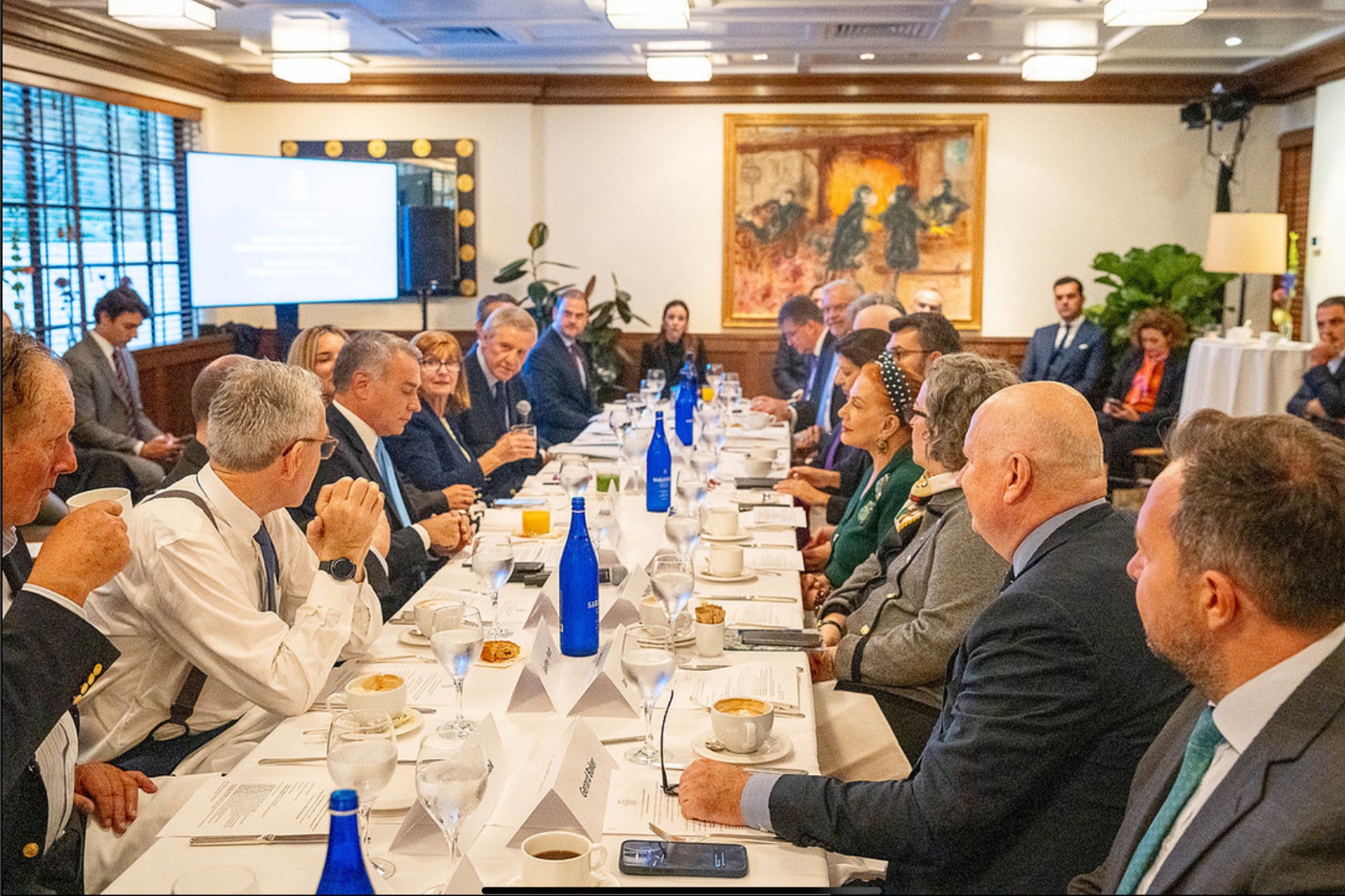
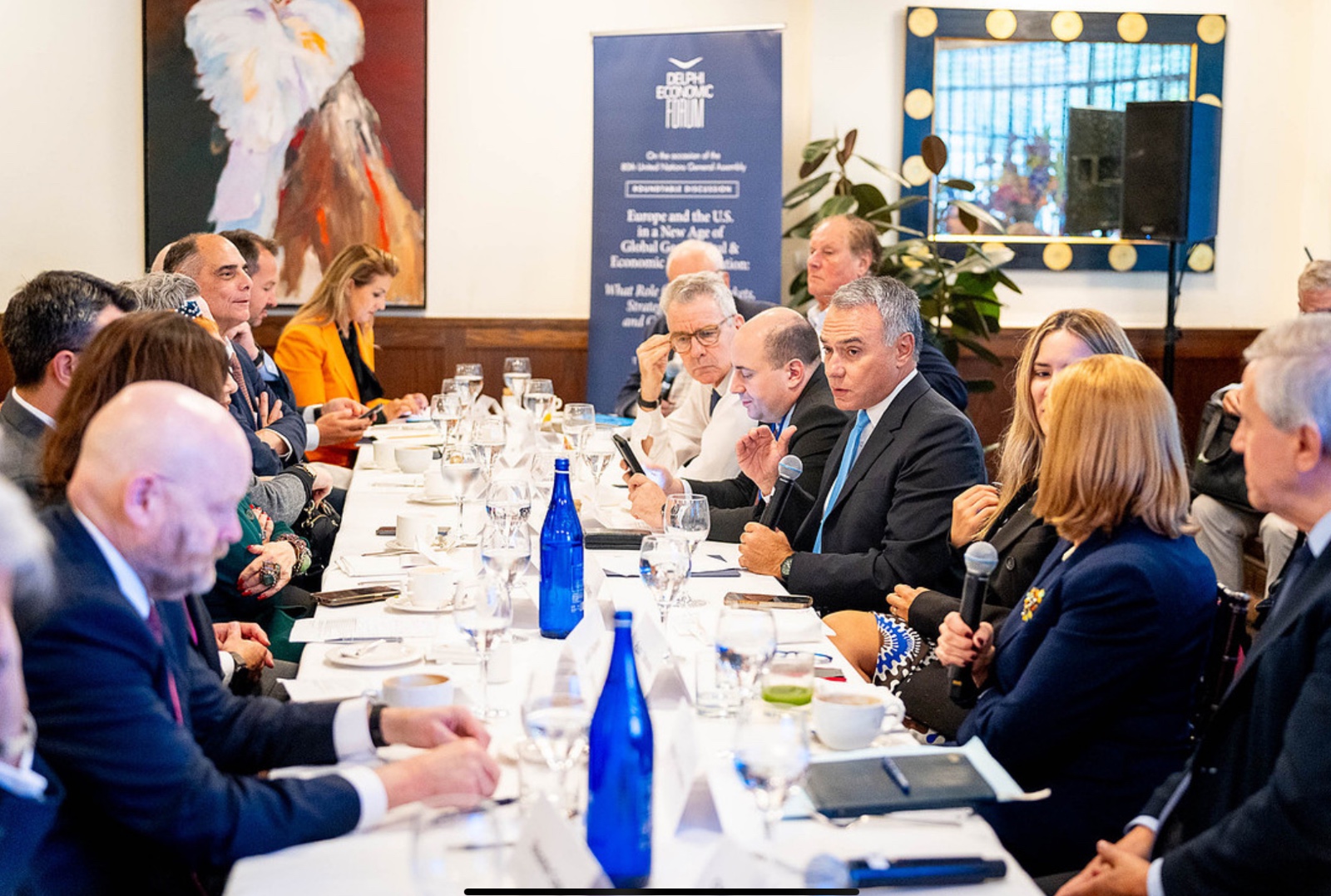
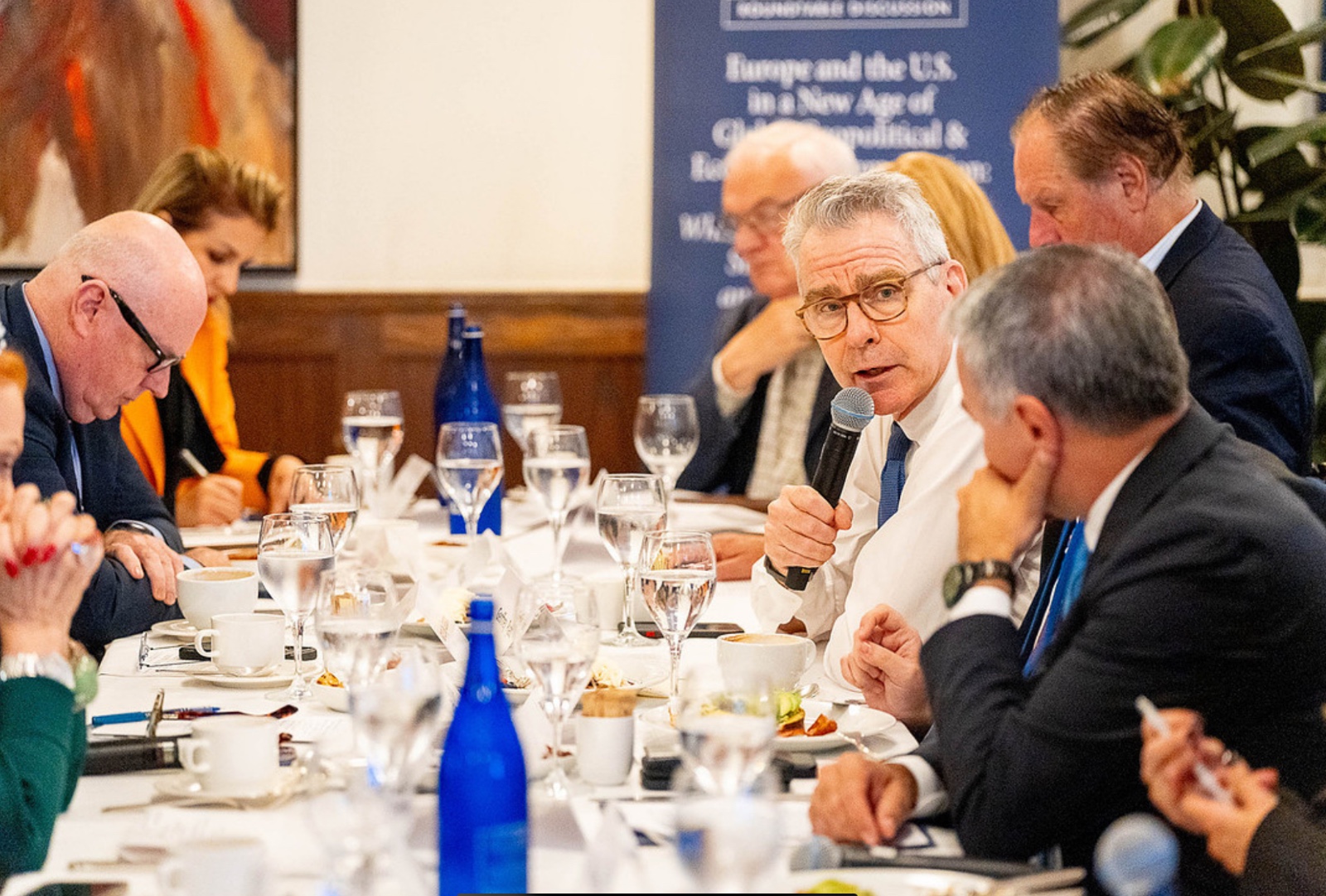
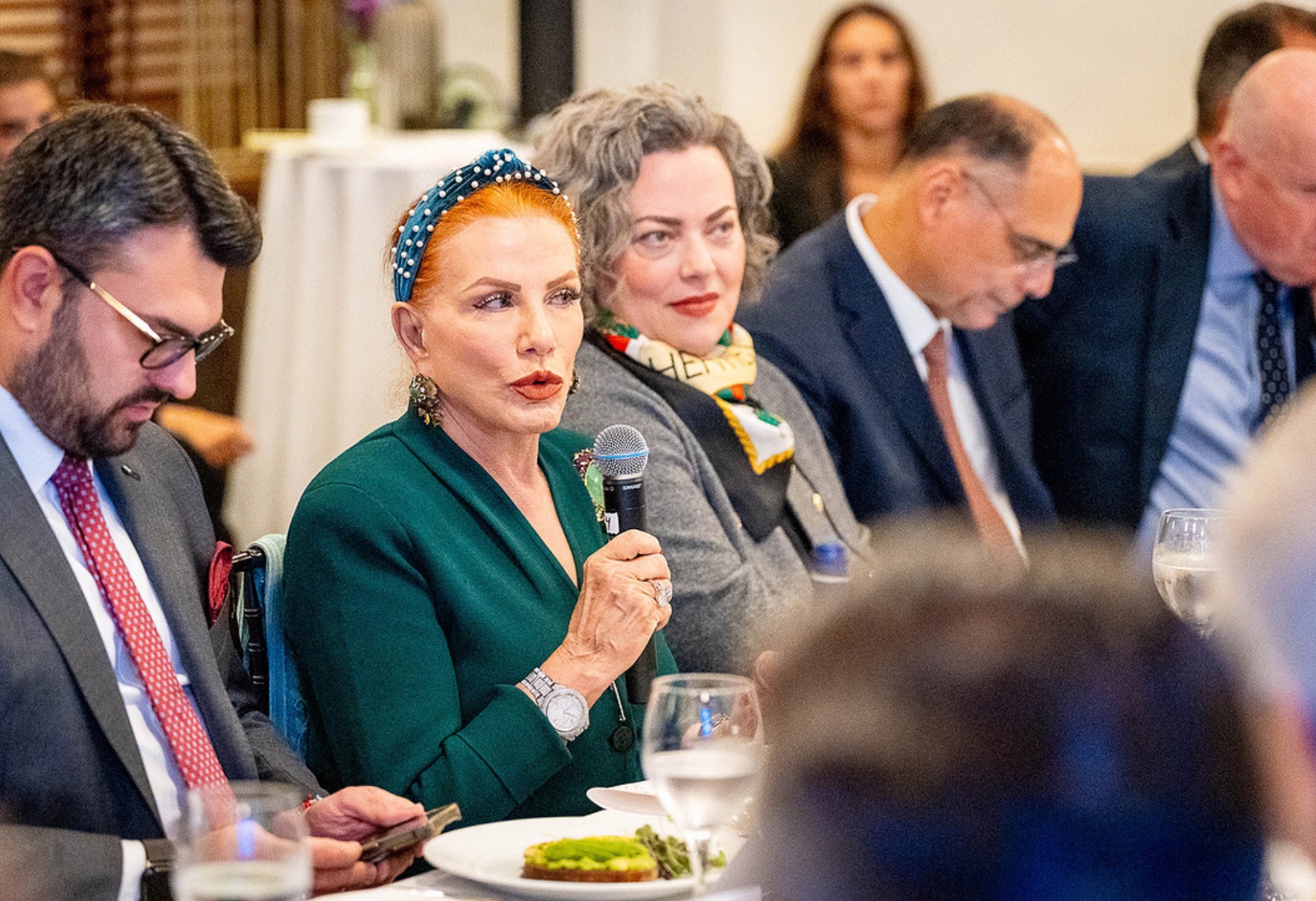
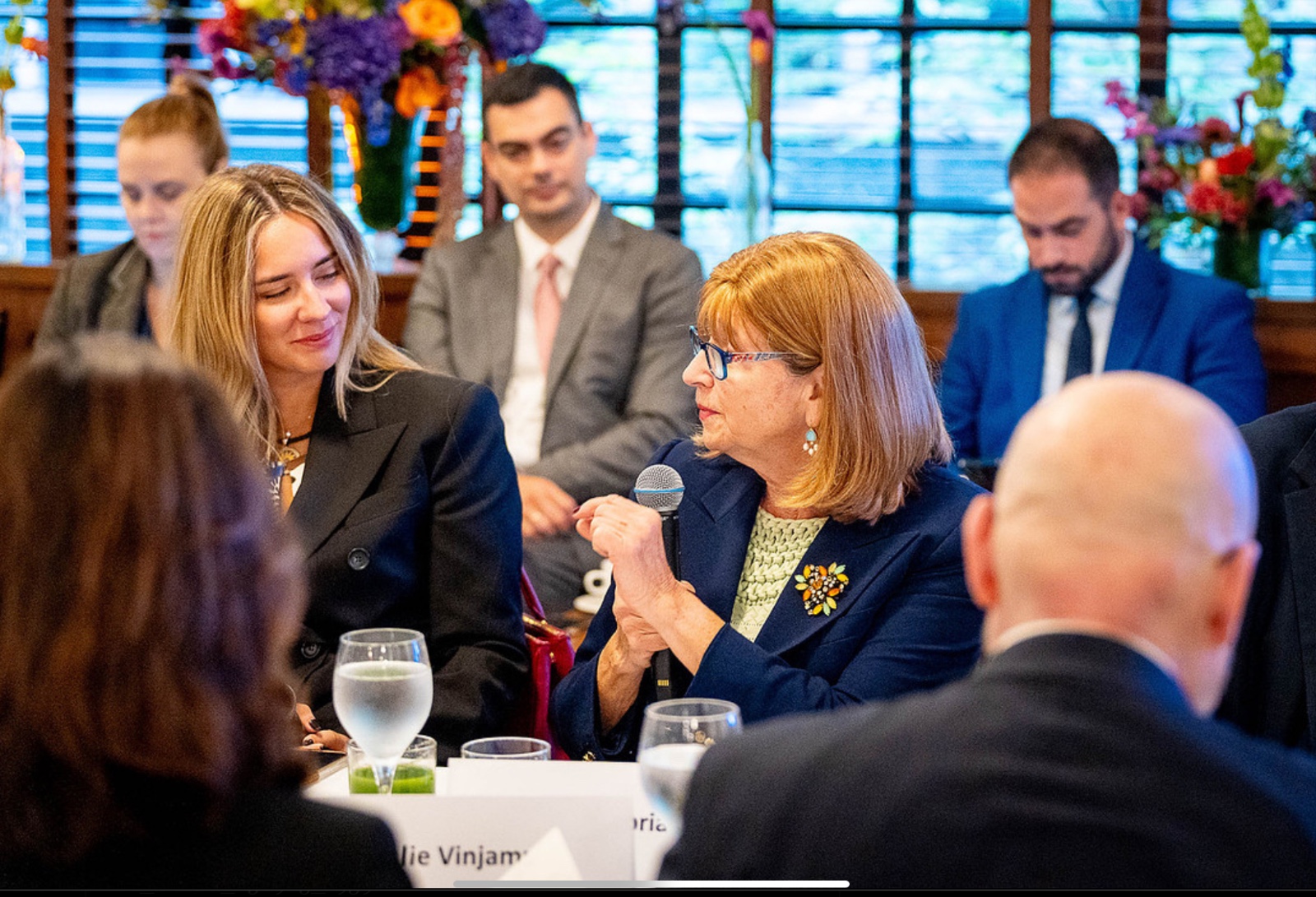
On the occasion of the 81st Session of the United Nations General Assembly, the Delphi Economic Forum with the kind support of Philip Morris International hosts a Roundtable Discussion on Tuesday, September 22nd, 2026 entitled “Building Resilience: European Competitiveness and Strategic Autonomy in an Age of Complexity.”
As the European Union navigates an increasingly fragmented global landscape, its pursuit of resilience is vital to securing a balanced future. This roundtable explores how the EU can build economic resilience while achieving the strategic autonomy necessary to act as a stronger, more reliable global pillar. The discussion will address the current state of European competitiveness, including the progress of implementing the Draghi report, the regulation-innovation nexus across various economic fields like AI and manufacturing, Europe’s vulnerabilities regarding volatile supply chains, its lagging pace in AI innovation, and its pursuit of an autonomous security infrastructure.
Furthermore, the dialogue will delve into diverse perspectives, examining not only the European viewpoint but also those of the United States and the rest of the world. While competitiveness and strategic autonomy are necessary for Europe's survival and growth, for the United States, a self-reliant Europe means a more capable partner in addressing shared security and technological challenges. For the rest of the world, European autonomy offers a crucial stabilizing force amidst a rigid, bipolar US-China rivalry, helping to preserve multilateral trade. Ultimately, this roundtable aims to demonstrate how a resilient Europe serves as an essential anchor for global stability, universal trade, and sustainability in an age of complexity.
The received wisdom is that transformation comes from outside. Incumbents defend, challengers displace. Every business school teaches it, and the current AI cycle appears to confirm it. The transitions that matter most economically suggest something more complicated. Energy, mobility, food, nicotine: in each case the outcome depends heavily on whether the companies already at scale can dismantle their own profitable businesses before someone else does. Challengers rarely own the manufacturing base, the distribution, the agricultural supply chain or the regulatory relationships that a transition has to run through.
That decision gets made in the capital allocation process. Someone funds a product built to replace the one currently paying for it, defends the choice to investors quarter after quarter, and holds the line through several governments before the numbers turn. Most self-disruption dies there, in the budget cycle rather than the strategy deck. Europe’s competitiveness question may be less about who can invent and more about who is permitted, and financed, to scale.
This roundtable brings together 12 to 16 participants across finance, industry, policy and investment for a closed, Chatham House Rule conversation. It aims to move past the familiar argument about whether incumbents can change and into the harder question of what makes it economically rational for them to try. Chief financial officers, institutional investors, policymakers, economists and leaders from sectors facing their own transitions will examine how the internal case for self-disruption gets built, what capital markets reward and punish along the way, and where public policy currently helps or obstructs.